

New Energy Vehicle Battery Test Collaborative Optimization Solution
2026/06/16| View:345
Against the backdrop of global vigorous pursuit of carbon neutrality goals and massive advancement of energy transition, exhaust pollution and carbon emissions caused by traditional fuel vehicles have become increasingly prominent. With the advantages of zero or low emissions, new energy vehicles have become a core direction of transformation in the transportation sector.
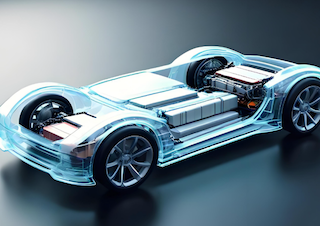
In the new energy vehicle industry, power batteries act as the vital "heart" of vehicles. They profoundly affect core indicators including driving range, charging efficiency, safety performance and service life, serving as the core driving force behind the vigorous development of the entire new energy vehicle industry.

Internal Resistance Test
Internal resistance is a critical indicator of battery aging. As the number of battery charge-discharge cycles rises, its internal resistance will gradually increase due to thickened SEI films, declined material activity and other factors. By monitoring the changing trend of internal resistance, technicians can evaluate the aging degree and remaining service life of batteries and replace defective units in a timely manner
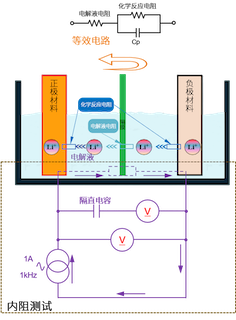
Test Objects: Battery Cells, Battery Packs
Test Purposes: Cell matching & consistency testing, battery degradation testing
Power batteries consist of hundreds to thousands of cells, whose parameters must remain consistent. This test ensures uniform cell performance and tracks battery degradation over cycles.
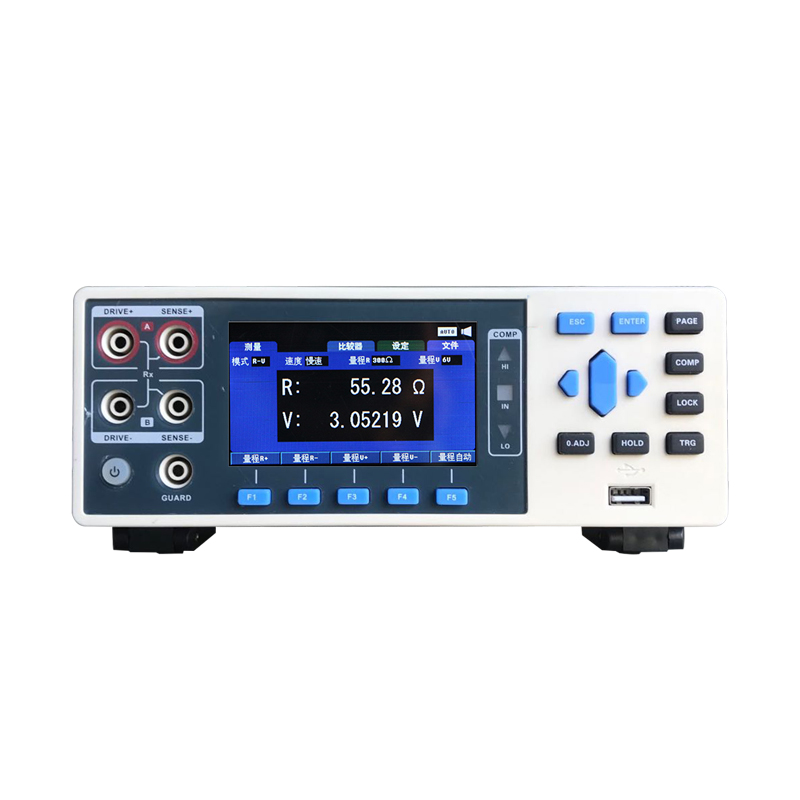
The AC Low Resistance Tester adopts the four-terminal measurement method, featuring high precision and compact size. It delivers a maximum test speed of 20ms with a basic resistance measurement accuracy of 0.1%. Its measuring range of 30mΩ to 3000Ω covers resistance testing requirements for most battery products, ranging from large battery packs down to coin cells.
Withstand Voltage Insulation Test for Semi-finished Battery Cells
The withstand voltage insulation test verifies the insulation performance of semi-finished battery cells under high voltage conditions, acting as the first line of defense to prevent short circuits and guarantee battery safety.It is critical not only for strict production quality control, but also directly determines battery stability under extreme operating conditions and end-user safety. By optimizing test parameters including voltage, pressure and dwell time, the defect detection rate can be greatly improved, providing reliable data support for the collaborative optimization of new energy batteries covering cells, modules and packs.
Test Objects: Semi-finished Cells, Bare Cells
Test Purposes
A bare cell is equivalent to a capacitor at this stage, with its capacitance proportional to cell capacity. The DC withstand voltage slow-rise method is adopted to detect short circuits on pole plates. Only DC withstand voltage mode is applicable, which can output high current and measure insulation resistance simultaneously.
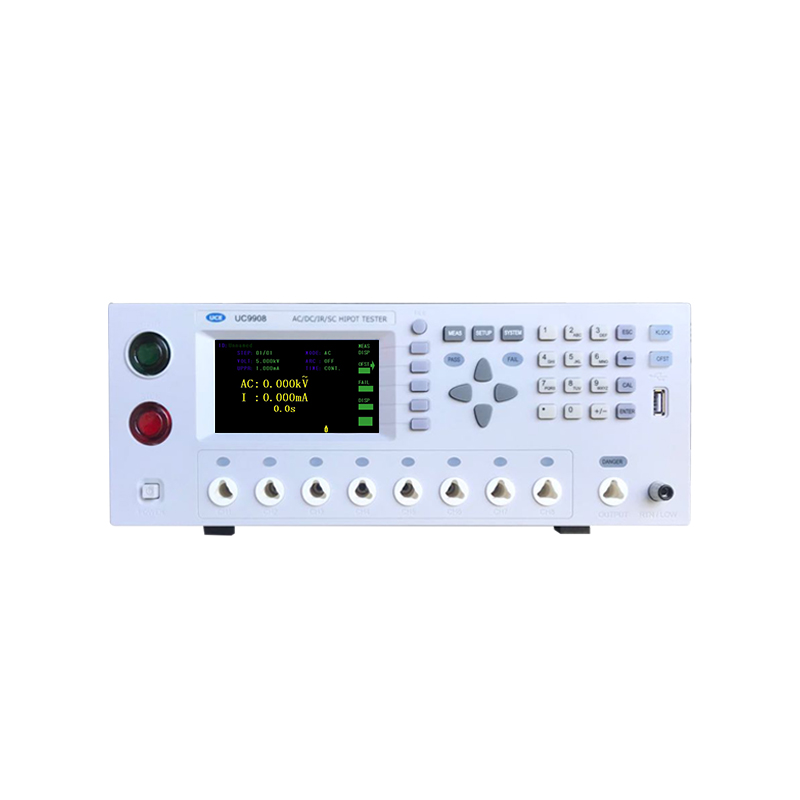
The Programmable AC/DC Withstand Voltage & Insulation Tester is developed by UCE based on years of experience in electrical safety compliance test instrument design. It boasts a high power rating of 500 VA, with a maximum AC output of 5 kV meet high-power withstand voltage test standards, and complies with equipment specification EN50191.
Beyond standard AC withstand, DC withstand and insulation resistance tests, is equipped with breakdown voltage testing function to analyze the breakdown voltage point of products, fulfilling customers’ special requirements on high-voltage reliability inspection. It also features open/short circuit detection, which eliminates reliability and accuracy risks during safety compliance testing, and greatly improves overall test stability and efficiency.